Presenters
These presenters are scheduled to talk during First Light Telescope Conference.
We have filled our schedule for this year, but we’d still like to hear from you. Contact Us.
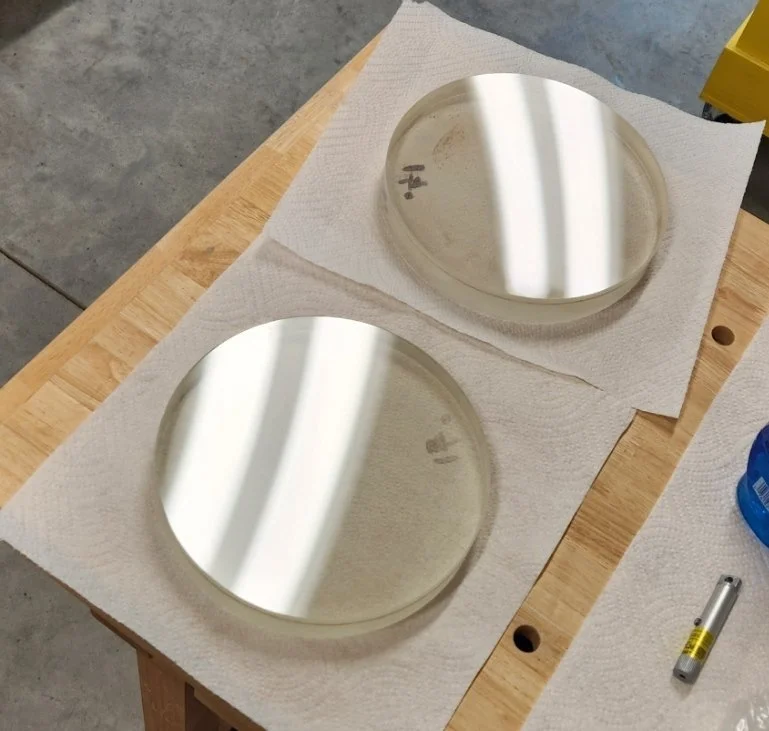
Mel Bartels
8" Binocular Telescope
Mel Bartels has been a leader in telescope making and an expert in mirror making for quite some time. Can’t say enough here about him, so go to https://www.bbastrodesigns.com/tm.html to get a sense of his vast experience.
(will provide details on his talk later this summer)
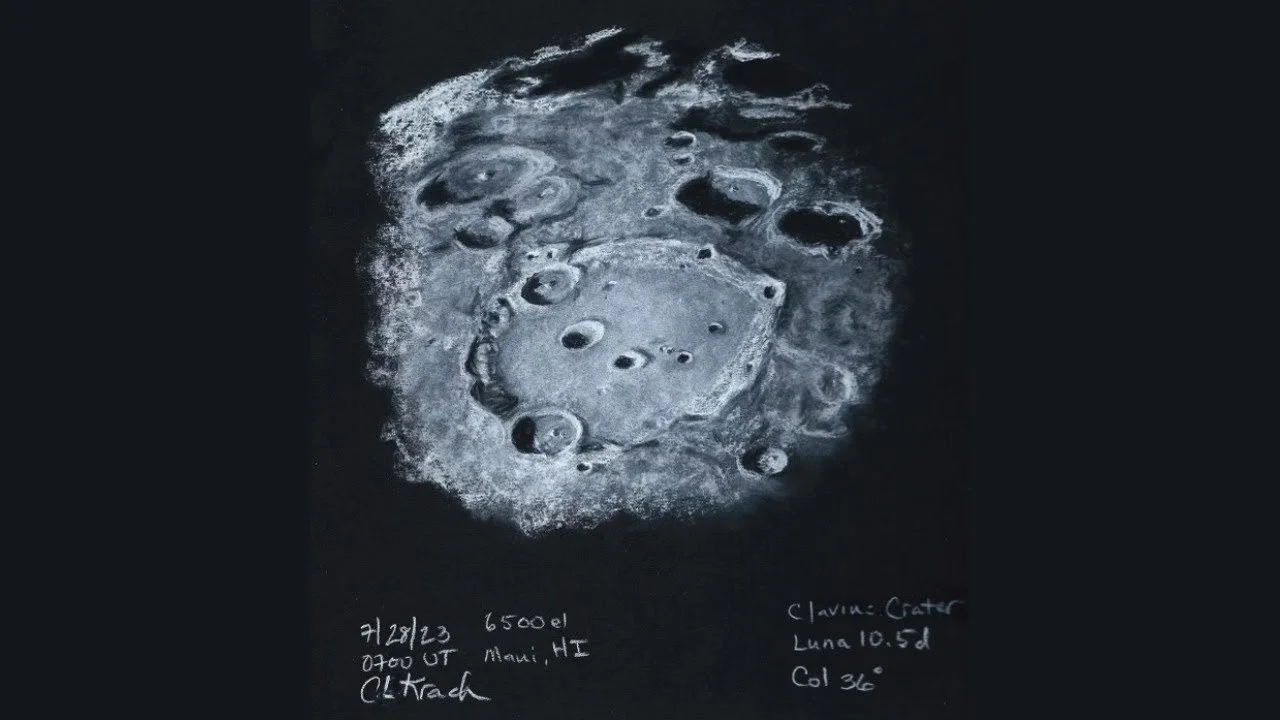
Cindy Krach, DVM
Workshop: Lunar Sketching
Cindy Krach, DVM, is a retired animal surgeon and pet care practitioner, who observes and sketches deep-sky objects nightly from her driveway on Crater Road in Kula, Maui. Cindy coordinates an astronomy observing sketch award for the Astronomical League, where she also has earned many observing certificates of achievement.
She is a frequent contributor to astronomy magazine. Check out her sketches on ASOD – Astronomy Sketch of the Day – under the pen name of Thia Krach. Cindy supports Maui Stargazing as a technical consultant.
https://www.mauistargazing.com/about-us/
Materials To Bring:
White printer paper or notebook - couple sheets
Black cardstock - couple sheets
Black and white Generals charcoal - usually come in a pack of a few pieces each, can be broken into pieces and shared.
White and black charcoal Generals pencils - 1 each
Graphite pencils 2b and either a 6b or 9b
Gummy eraser- sometimes comes with charcoal pencils, can be divided and shared
Synthetic erasers, vinyl, rubber. Old fashioned Pencil end erasers are good if they come to a point. Need eraser with a point
Tortillon or artist blenders- a couple, usually come in a pack Tissue for blending
In-Person attendees: We will have this available in class.
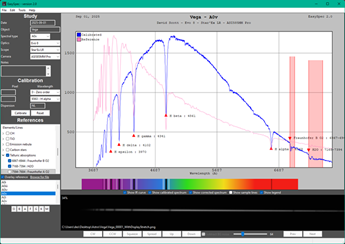
Dave Scott
Spectroscopy for Amateur Astronomers
This presentation will discuss why we do spectroscopy and why it is so important to astronomy. Amateurs are often surprised that "real" science can be done with a very simple setup so I will cover the required equipment and software and I will do a few live demonstrations showing how a spectrum is analyzed and what we can learn from them.
I am a semi-retired wildlife veterinarian and software engineer. My specialty was orthopedic surgery in birds of prey and I created a medical records software package used at wildlife centers world-wide. I have always been interested in astronomy and I really got into it about 8 years ago. I recently moved to the country and have finished building my observatory tower that opens like a clamshell. I enjoy all aspects of astronomy including solar spot counting, imaging, EAA, spectroscopy and, more recently, lunar sketching and night vision.
Panel Discussion:
DIY Smart Scopes
Akarsh Simha, Mel Bartels, Dan Gray, Tom Otvos, Keith Venables, Gord Tulloch, Rob Brown, more...
Small aperture smart scopes are becoming ubiquitous. But the supporting technologies are available independently, so why not bring them together for a larger aperture scope that is optimized for the images you want? Panel will discuss the very definition of a smart scope and how (if?) it differs from astrophotography, as well as address current technologies and their pros and cons. Session will be allocated 1.5 to 2 hours.
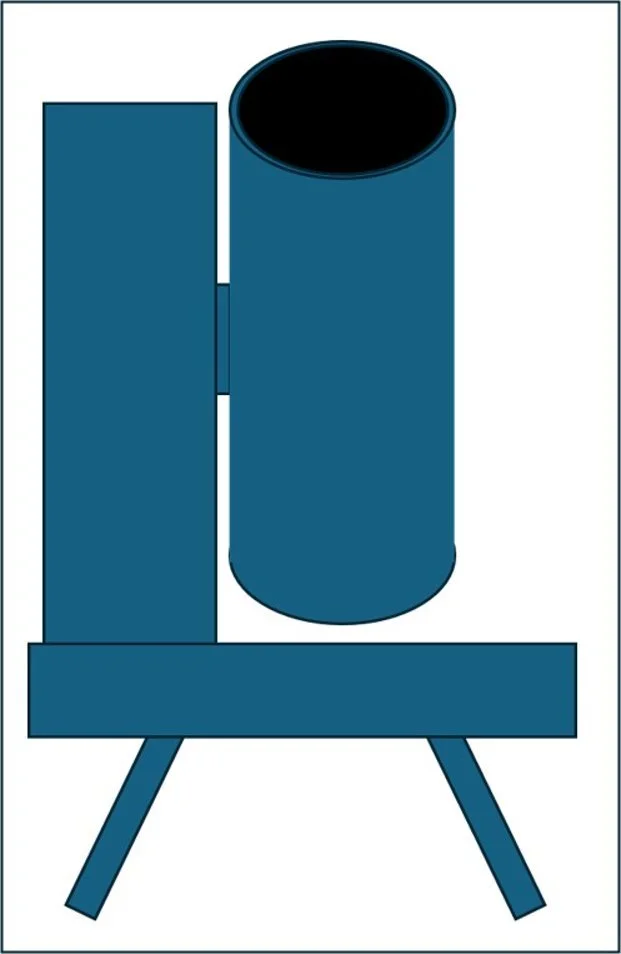
Lucas Sifoni
Toward specialized instruments
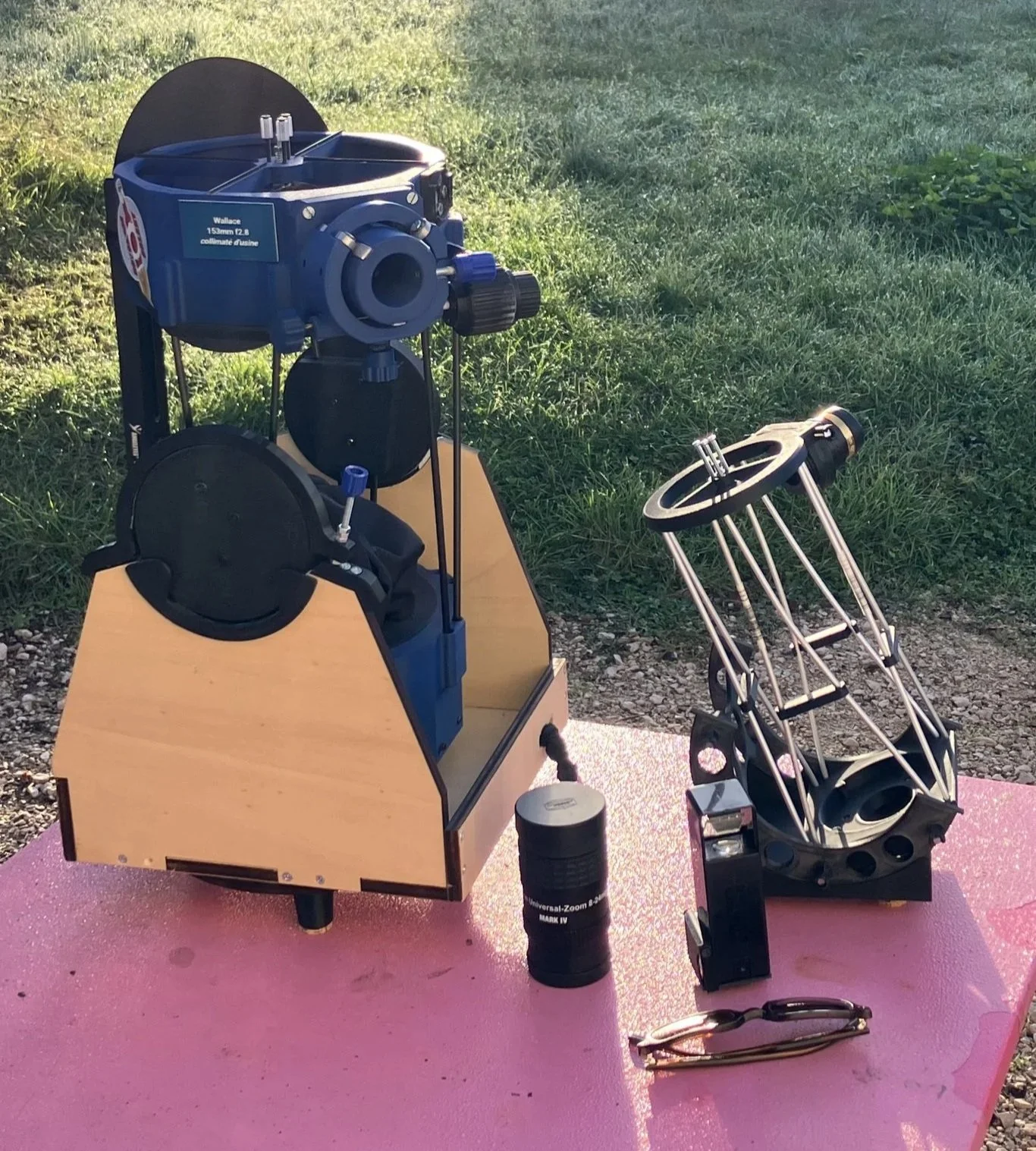
After making a few instruments, following the Stellafane dobsonian pattern, then Strock-like structures, and settling for a while on wide field deep-sky telescopes (illustrated), I would like to advocate for specialized instruments that stray away from the common designs and fit a single person's practices. The privilege of the amateur in this era of knowledge sharing and digital fabrication is to learn from the masters, but produce something unique for their needs. I'll show the evolution of my design choices, current inspirations, and a new in-progress design that makes a few new compromises to fit astronomy in other outdoor practices.
Lucas Sifoni is a software developer from France, who has been making mirrors and telescopes for the last 6 years under the nickname "chantepierre". His hyperbolic 8" f/3.5 recently featured in Sky and Telescope's Astronomer Workbench was the start of a true field maximization quest, and he currently builds smaller and faster telescopes.
Lauren Wingert
Lightweight 17.5" Coulter conversion
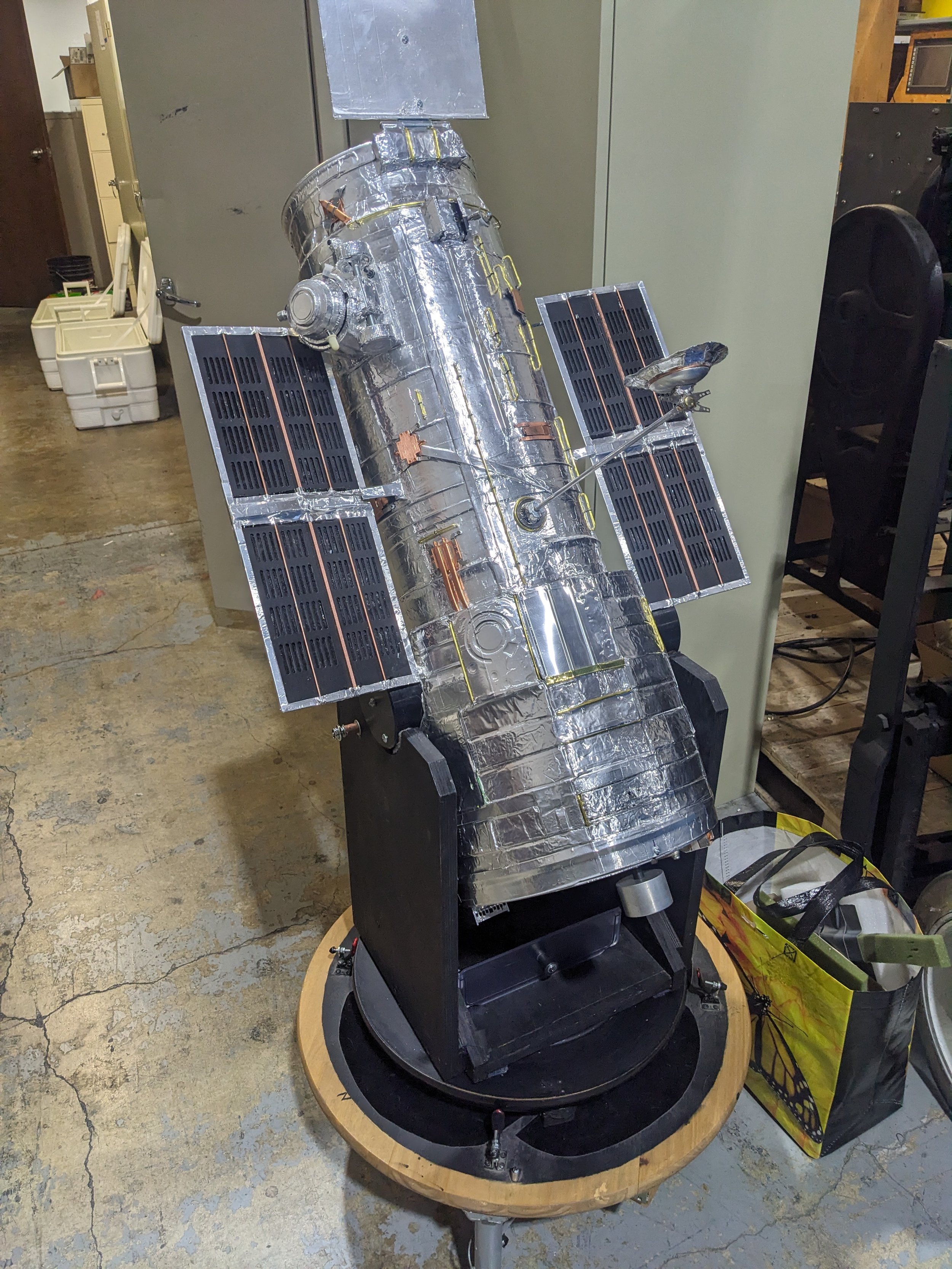
Lauren is a frequent contributor to Sky and Telescope's Astronomer’s Workbench column with nine articles in 5 years earning her the title of Gadget Girl. Some of her previous accomplishments include a reclining binocular chair made from an automobile seat and a semi-scale 8” Dobsonian recreation of the Hubble Space Telescope, as well as dozens of ideas for accessories and scope improvements. Her latest article, the subject of this talk, will appear in the October 2026 issue! Perfect timing!
Gord Tulloch
Artificial Intelligence in Astronomy
Gord has been enthusiastic about Astronomy since he saw his first telescope at age 8. Since then he has been fascinated with the intersection of Astronomy and Computing, from using his Apple II to calculate AltAz coordinates so he could manually point his 13.1" homebuilt Dobsonian in 1982, to running his telescope on the Bartels ScopeDrive system, to building open-source AI Assistants for Astronomy like AstroLlama with built-in Smart Telescope control. In the meantime, he has released several open-source Astronomy applications, notably mlCloudDetect, a machine learning-based cloud detector for All-Sky Cameras, and Astrofiler, a FITS file manager for astrophotographers. He is an active ATM with several completed optical projects under his belt, and a 24" blank in his garage awaiting his upcoming retirement. He also recently contributed the telescope, focuser, and filterwheel drivers for Alpaca on the INDI server for Linux based computers. By day, he works as an IT Director for a rural Manitoba School Division. He lives in Winnipeg with his wife Marie, kids Liam and Aidan, and two rough collies, Freyja and Fiona. He is the current Secretary for the RASC Winnipeg Centre. You can access his software at https://github.com/gordtulloch.
Don Peckham
Tensegrity Telescope Design
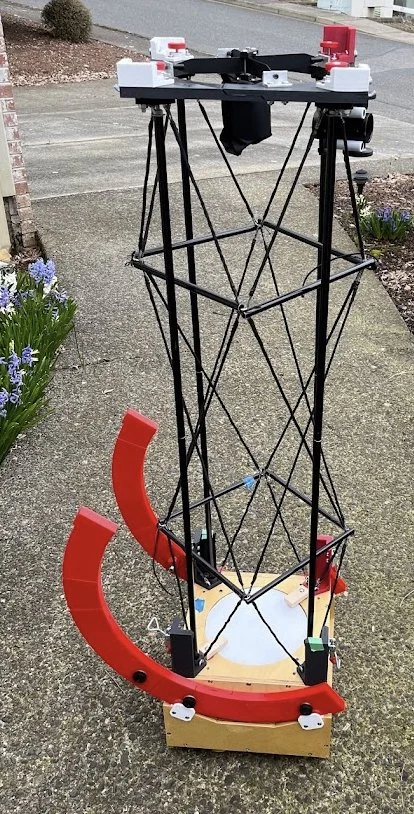
Don Peckham pioneered the use of tensegrity in telescopes over 10 years ago and has built many since, refining and improving along the way. Tensegrity enables the lightest and most compact telescopes and can be applied to any size aperture and focal length. Find out the latest!
Jeff Baldwin, Lonnie Robinson
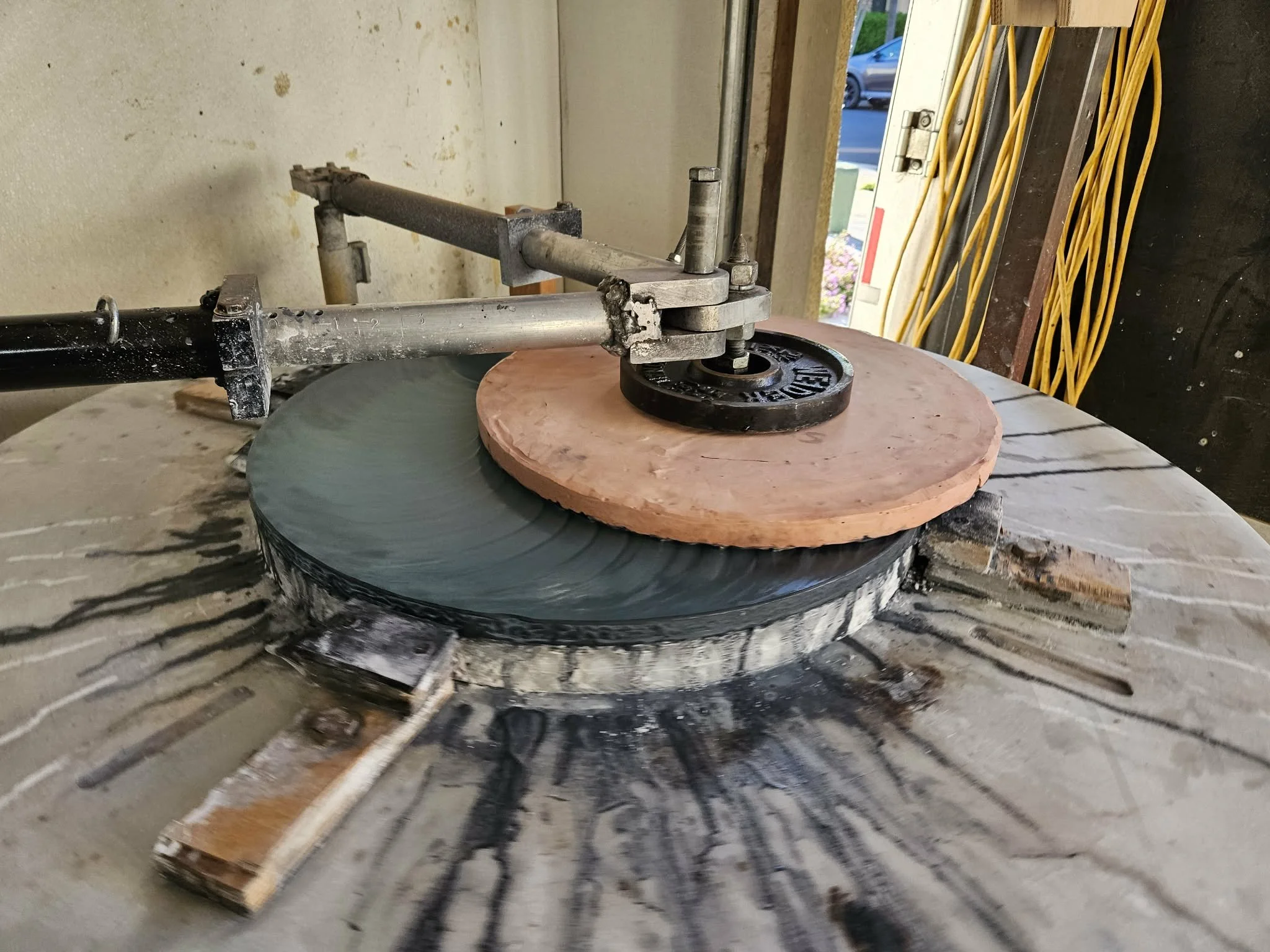
Tool-on-top machine figuring of large, fast meniscus mirrors
Current successful fast meniscus mirrors have been achieved with hand figuring and with mirror-on-top stroking machines. A great many mirror makers are more familiar with TOT, especially those trained on the venerable Mirror-O-Matic machines. Overcoming the challenges of thin meniscus mirrors in this regime could be quite exciting!
Currently there are two 20-inch F/3 mirrors in process (of which the conference chair is aware. We wish them great success.)
Bruce Howard
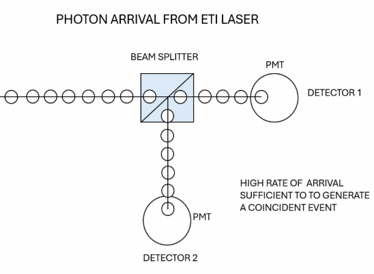
Optical SETI – Theory and Practice
Theory, equipment, and methodology used for searching for laser signals from other worlds.
Brian Hayward
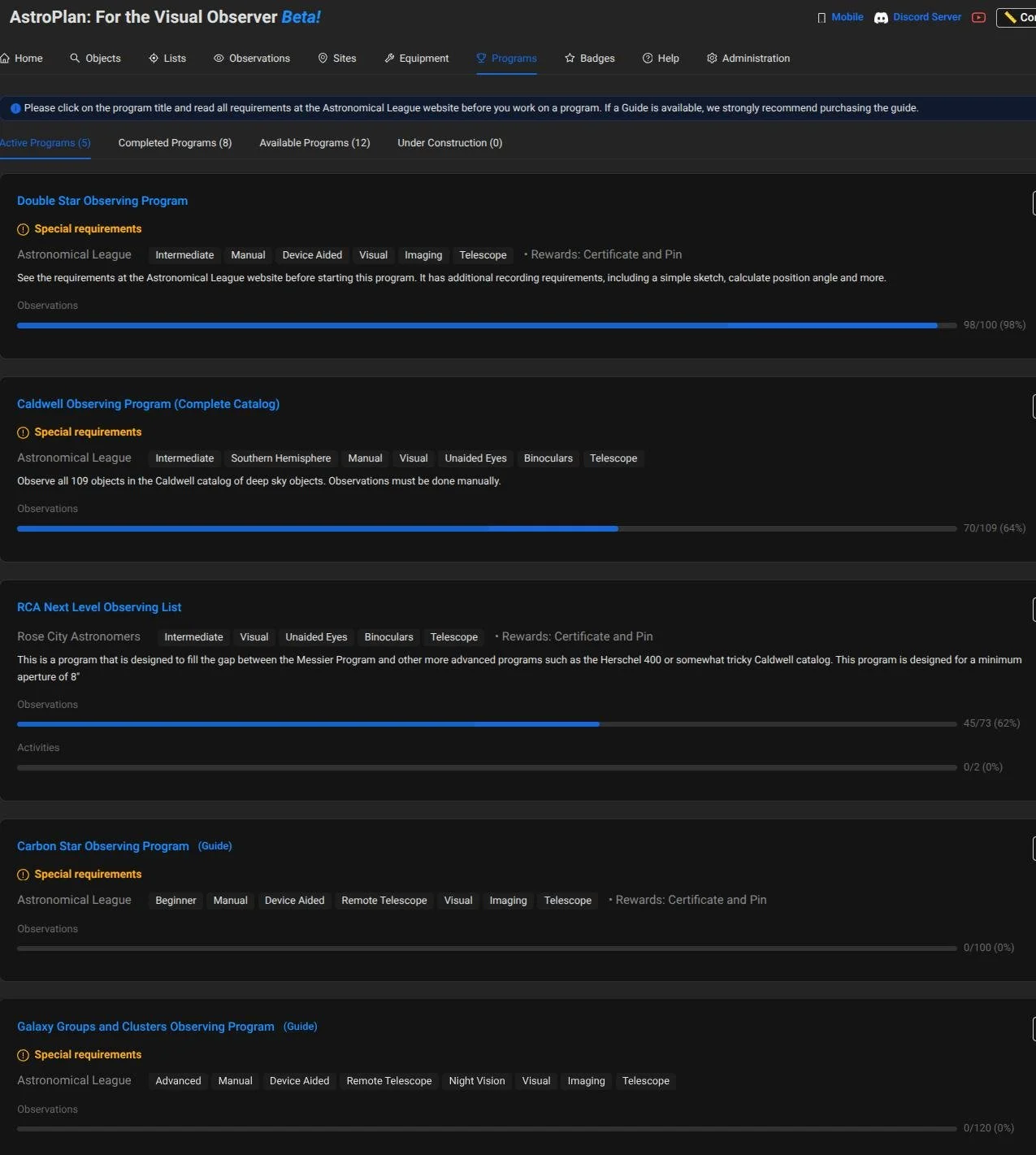
AstroPlan: Planning and Tracking Visual Observations
After seeing Saturn through a tabletop telescope in 2021, Brian was hooked on astronomy. Within 3 years, he had built a 17.5-inch Dobsonian around a classic Coulter mirror and an 8-inch f/4 travel scope that fits under an airplane seat. Brian is a Coordinator of the Rose City Astronomers (RCA) Visual Observing Special Interest Group and manages the RCA Web Forum as well. As a fan of the Astronomical League’s observing program, Brian built AstroPlan to solve his own paperwork challenges—creating an easy way for astronomers to log observations, track program progress, and seamlessly export reports for official review. He has also taken up astrophotography, but enjoys visual observing the most.
Rob Brown
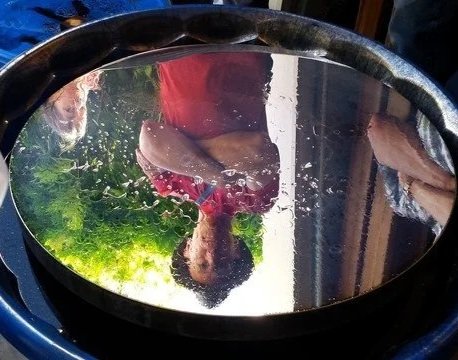
Spray Silvering Demo
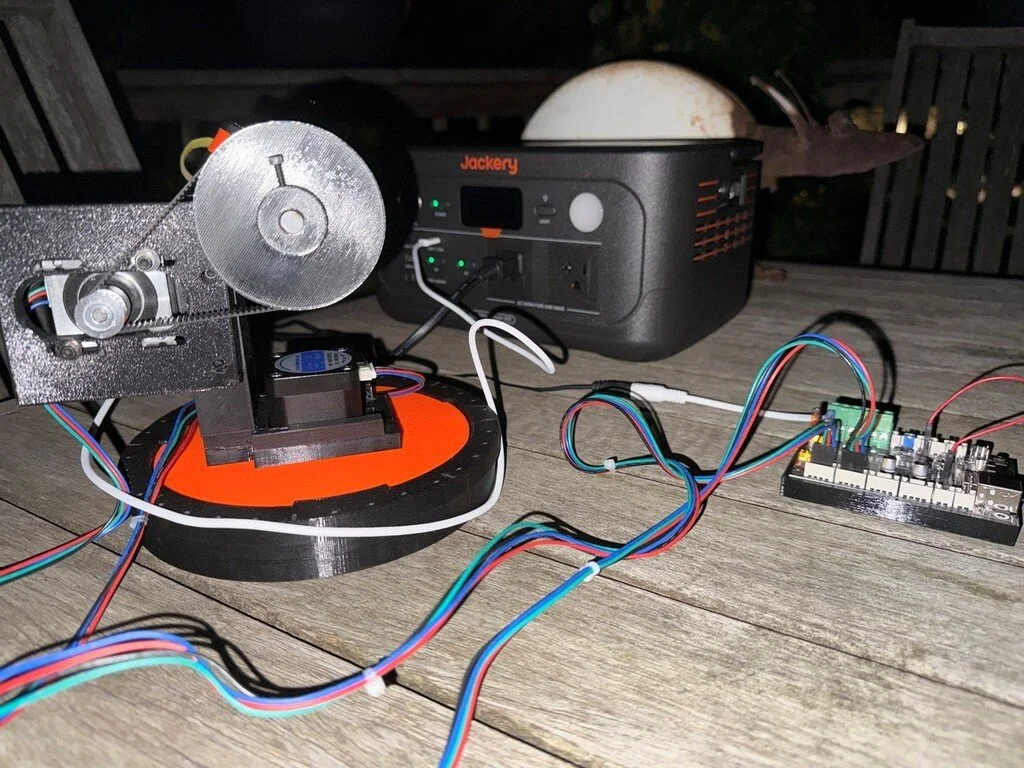
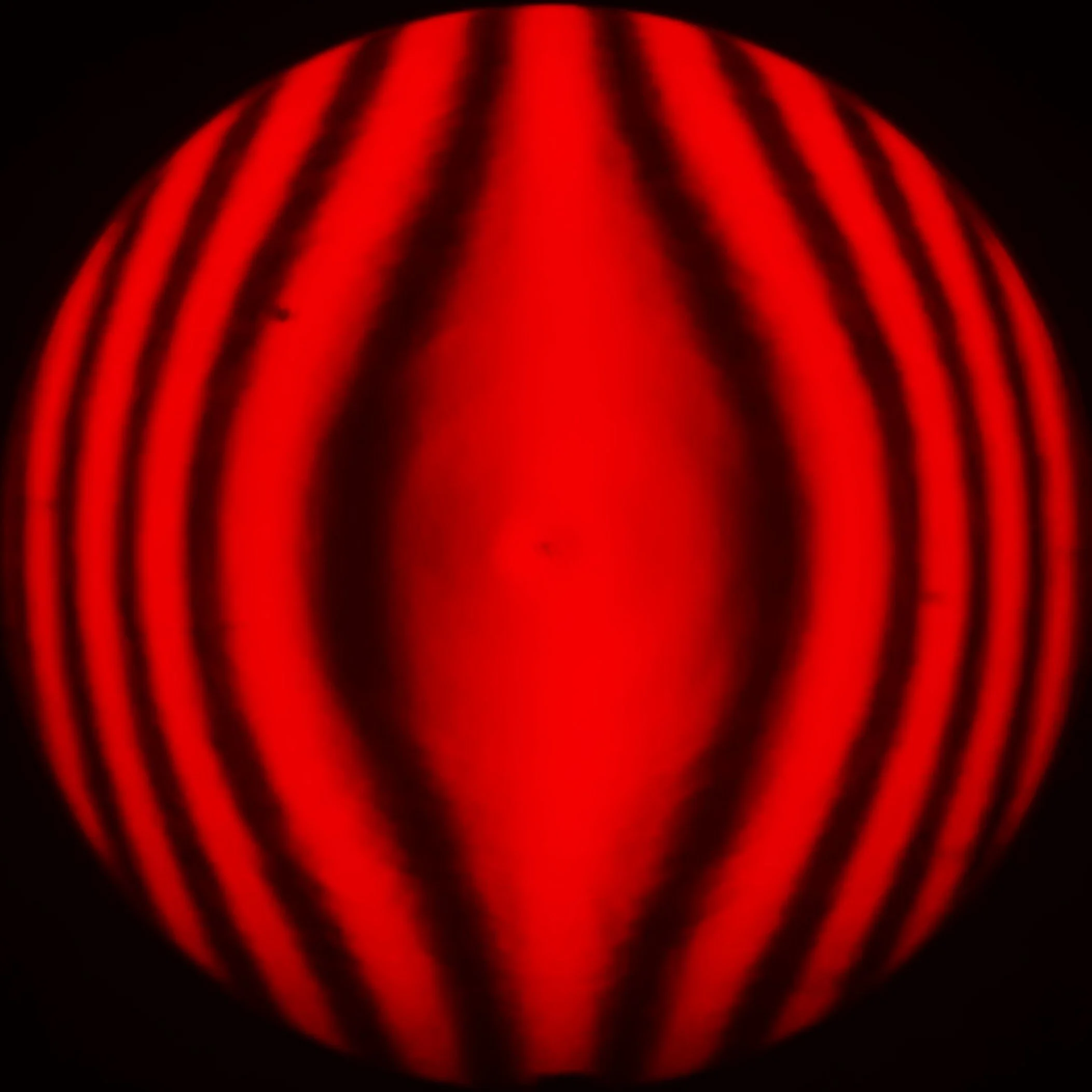
In past years Rob developed a simple optical test for monitoring the deterioration of silver coatings, and also presented results on testing of anti-tarnish coatings. This year Rob will demonstrate spray silvering live (on site attendees, possibly livestream). Silver has proven to be the way to go for large mirrors but also has value in small mirrors too.
UPDATE: NEW CLEANING AND SPRAY METHODS. Huge labor savings, better results!
Tom Otvos
OpenAperture: the open smart telescope platform, powered by StepSolve.
This talk describes the motivation behind, and progress on, a project to create a reference platform for “smart telescopes” that are accessible to ATMs. At the heart of it is StepSolve, a unified software and hardware component that marries plate solving with the OnStep telescope control system.
Tom Otvos
RonchiML: a project update
This is an update on a project introduced at last year’s conference, on using AI to analyze Ronchi images during figuring in order to assess progress and “what to do next”. With the significant advances in AI in the intervening period, progress has been impressive.
Liam Antonsen
Tabletop to the Stars
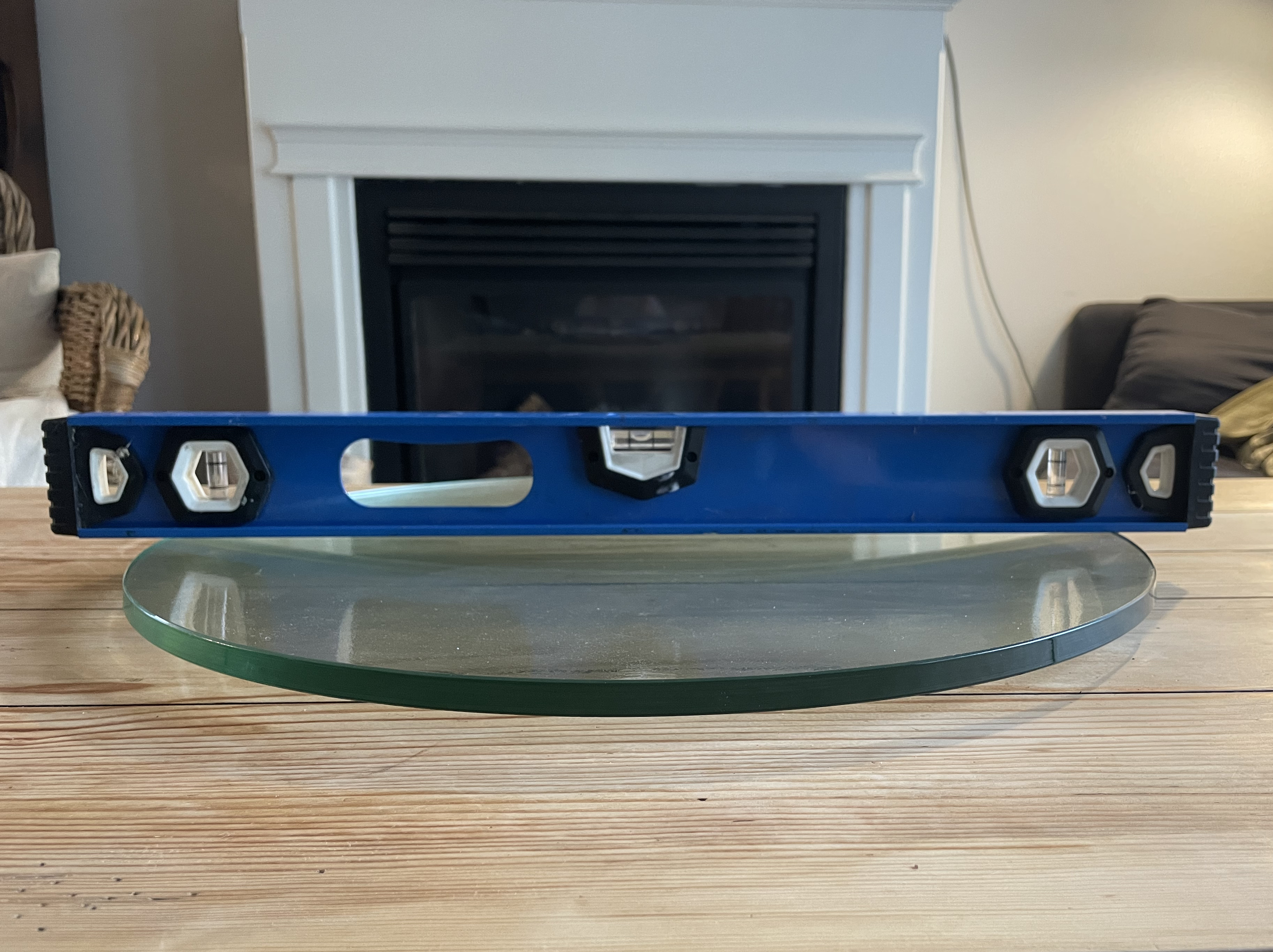
From a glass tabletop to the stars! This presentation will cover the process of making a meniscus mirror blank. From glass selection, slumping forms, kiln schedules, strain testing, and more! You will learn everything it takes to turn a glass tabletop into a meniscus mirror blank, along with the trials and tribulations I experienced in my mirror slumping journey and how I overcame them.